post

The Biggest Financial Mistakes to Avoid When Selling Your House

The 7 Biggest Financial Mistakes to Avoid When Selling Your House

Selling your house is a monumental event. It marks the end of one chapter and the exciting beginning of another. But amidst the anticipation, it’s crucial to remember that this is also one of the most significant financial transactions you will ever make. In a process with so many moving parts, small missteps can easily snowball, potentially costing you tens of thousands of dollars in lost profit.

A top-down view of hands on a clean desk, reviewing house-related documents and a calculator, symbolizing financial planning for a home sale.

At novaprojects.org, we specialize in providing expert guidance on property and project management. We’ve seen firsthand how a strategic, well-managed home sale can maximize returns, while a disorganized one can lead to costly errors. Our goal is to equip you with the knowledge to navigate this process like a pro, protecting your hard-earned equity.

This guide will walk you through the seven biggest financial mistakes homeowners make when selling their property. More importantly, it will provide actionable advice on how to avoid them, ensuring you protect your investment and walk away with the most profit possible.

Key Takeaways

  • Pricing: Incorrectly pricing your home—either too high or too low—is the most common and costly mistake that can derail a sale from the very beginning.
  • Repairs & Presentation: Neglecting essential repairs and failing to stage your home properly can drastically reduce its perceived value and your final sale price.
  • Hidden Costs: Underestimating the total costs of selling, including commissions, closing costs, and taxes, can lead to a major financial shortfall and unexpected stress.
  • Emotional Decisions: Allowing emotional attachment to influence negotiations or pricing can sabotage a potentially great deal and lead to irrational choices.
  • Expert Help: Choosing the wrong real estate agent or attempting to sell without professional guidance can cost you far more than the commission fees you might hope to save.

TL;DR

Selling your house for the highest possible price requires avoiding critical financial errors. The most significant mistakes include mispricing the property, skipping crucial repairs and staging, underestimating selling costs, and letting emotions dictate negotiations. A successful sale depends on strategic planning, objective decision-making, and leveraging professional expertise to manage the process effectively.


Mistake #1: Incorrectly pricing your home is the fastest way to lose potential buyers and money.

Setting the right asking price is arguably the most critical step in the home-selling process. It’s a delicate balance; get it wrong, and you risk either leaving money on the table or scaring away your entire buyer pool.

The Danger of Overpricing

Many sellers believe in pricing high to leave “room for negotiation.” In reality, this strategy almost always backfires. An overpriced home languishes on the market, and the longer it sits, the more it becomes “stale.” Buyers and their agents become suspicious of properties that have been listed for months or have undergone multiple price reductions, often assuming something is wrong with the house. You miss out on the crucial initial wave of excitement when your property is fresh on the market and gets the most attention from serious, qualified buyers.

The Hidden Pitfall of Underpricing

On the other end of the spectrum, some sellers intentionally underprice their homes hoping to spark a bidding war. While this can work in a red-hot seller’s market, it’s a significant gamble. If the market doesn’t respond with multiple offers as expected, you may be forced to accept a price far below your home’s actual value. Furthermore, a price that seems too good to be true can signal desperation to buyers or raise red flags that there are hidden problems with the property.

How to Get the Price Right

The key to accurate pricing is data-driven analysis, not guesswork or emotional attachment.

  • Comparative Market Analysis (CMA): A qualified real astate agent will prepare a detailed CMA. This report analyzes recently sold properties in your area that are as similar to yours as possible in terms of size, age, condition, and features.
  • Focus on Comps: Pay close attention to the final sale prices of comparable homes (comps), not just the asking prices of active listings. An active listing is just your competition; a sold listing is proof of what a buyer was actually willing to pay.
  • Consider a Pre-Listing Appraisal: For a truly neutral, third-party valuation, you can hire a professional appraiser. While it comes at a cost (typically a few hundred dollars), it can provide invaluable peace of mind and a solid benchmark for your pricing strategy.

Mistake #2: Skipping necessary pre-sale repairs can significantly lower your final sale price and attract lowball offers.

When buyers walk through your home, they are mentally calculating the cost of every scuff on the wall, every leaky faucet, and every cracked tile. A long list of minor issues can create the impression that the home has been poorly maintained, leading them to wonder what larger, hidden problems might exist.

Distinguishing Between Repairs and Renovations

It’s important to understand the difference between a necessary repair and a major renovation.

  • Repairs: These fix things that are broken or not functioning correctly. Examples include a leaky faucet, a broken window pane, damaged drywall, or a sticky door. These are generally non-negotiable and should be addressed before listing.
  • Renovations: These are major upgrades, such as a full kitchen remodel, finishing a basement, or adding a bathroom. While renovations can add value, they often do not provide a 100% return on investment (ROI). Focus on repairs first.

The Psychology of a “Move-In Ready” Home

Buyers overwhelmingly prefer homes that are move-in ready. They tend to overestimate the cost and hassle of making repairs themselves. A pre-listing inspection report filled with a dozen small issues can easily scare away an otherwise enthusiastic buyer. Conversely, a clean, well-maintained home signals that the property has been cared for over the years, which builds immense buyer confidence and makes them more comfortable submitting a strong offer.

High-Impact, Low-Cost Fixes

You don’t need to break the bank to make a big impression. Focus on fixes that offer the most bang for your buck:

  • A fresh coat of neutral paint throughout the interior.
  • Fixing all drippy faucets and running toilets.
  • Replacing outdated or broken light fixtures and cabinet hardware.
  • Ensuring all doors and windows open and close smoothly.
  • Power washing the exterior, driveway, and walkways.

Mistake #3: Failing to properly stage and present your home prevents buyers from emotionally connecting with the space.

A poorly presented home forces buyers to use their imagination, and many simply can’t or won’t. Staging is the art of showcasing your home’s best features to appeal to the broadest possible audience, helping them envision themselves living there.

It’s Not About Your Personal Taste

The primary goal of staging is to depersonalize and declutter. While you may love your bold accent walls and extensive collection of family photos, these items can prevent buyers from seeing the house as their own future home. The objective is to create a clean, inviting, and neutral canvas. This means removing personal items, clearing off countertops, and organizing closets to make them look spacious.

The Financial Impact of Staging

The data consistently shows that staging is a worthwhile investment. According to a report by the National Association of Realtors, 81% of buyers’ agents said staging a home made it easier for a buyer to visualize the property as a future home. Furthermore, 23% of agents reported that staging a home increased the dollar value offered by 1-5% compared to similar homes that weren’t staged. On a $400,000 home, that’s an extra $4,000 to $20,000 in your pocket.

DIY Staging vs. Professional Staging

You can achieve a lot on your own with a focused effort.

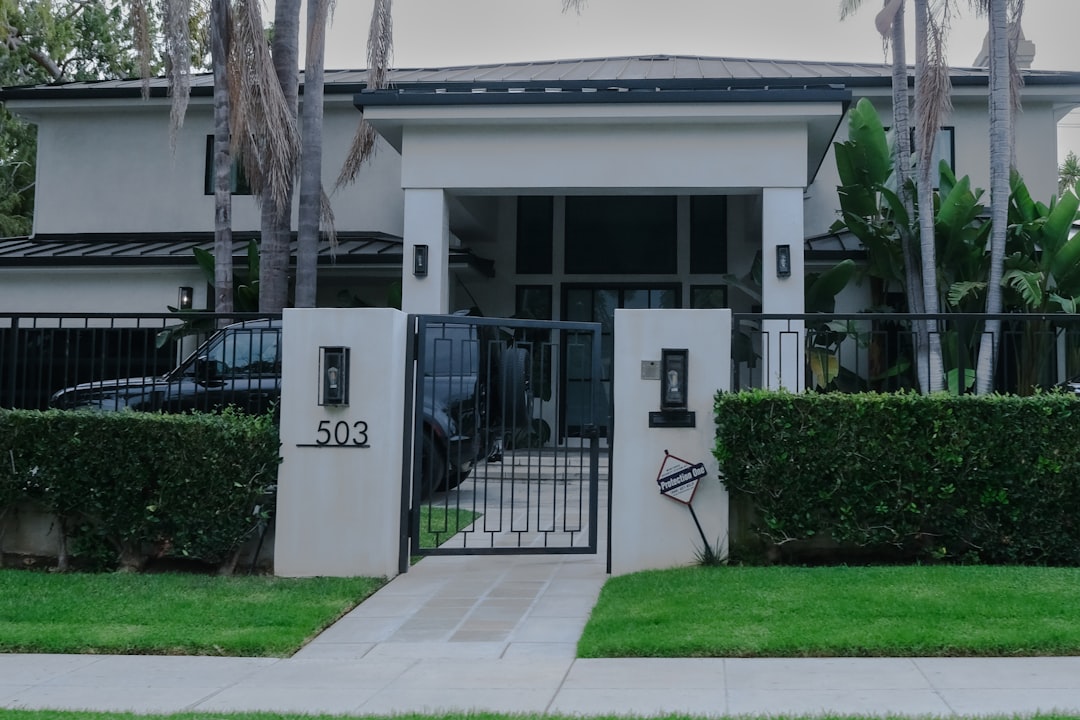
A crisp 'For Sale' sign standing on the manicured lawn in front of a beautiful, modern suburban house on a sunny day.

Staging Approach Key Actions Best For
DIY Staging Deep cleaning, decluttering, removing personal items, rearranging furniture for better flow, maximizing natural light. Sellers on a tight budget with a good eye for design and a home that is already in good condition.
Professional Staging Hiring an expert to bring in neutral furniture, art, and accessories to fully furnish and style the home. Vacant homes, properties with awkward layouts, or sellers who want to maximize their sale price without the hassle.

Mistake #4: Underestimating the total cost of selling can lead to a major financial shock at the closing table.

Many sellers focus solely on the final sale price, but they forget to account for the numerous expenses that will be deducted from their proceeds. Failing to budget for these costs can turn an expected windfall into a disappointing reality.

Beyond the Agent’s Commission

The real estate agent’s commission is the largest expense, but it’s far from the only one. The debate over whether a full-service Realtor can justify their fee is ongoing, but the value is often found in navigating the complex web of other costs.

Here’s a breakdown of typical seller costs:

  • Real Estate Agent Commissions: Typically 5-6% of the final sale price, split between the seller’s agent and the buyer’s agent.
  • Closing Costs: These can include title insurance, escrow fees, transfer taxes, and attorney fees, often totaling 1-3% of the sale price.
  • Seller Concessions: You might agree to cover certain costs for the buyer to sweeten the deal, such as paying for a home warranty or contributing to their closing costs.
  • Prorated Property Taxes & HOA Dues: You will be responsible for these expenses up to the day of closing.

Don’t Forget Pre-Sale and Moving Expenses

The costs start long before you get to the closing table. Be sure to budget for:

  • Pre-sale repairs and cosmetic updates.
  • Professional cleaning and landscaping.
  • Staging costs (if applicable).
  • Moving expenses (truck rental, professional movers).
  • Potential temporary housing costs if there’s a gap between selling your old home and buying your new one.

How to Create a Seller’s Net Sheet

To get a clear picture of your potential profit, ask your real estate agent to prepare a Seller’s Net Sheet. This is an itemized document that estimates your total expenses and subtracts them from a likely sale price, showing you the approximate amount of cash you will walk away with after the sale is complete.

Mistake #5: Letting emotions drive your negotiation strategy often leads to poor decision-making.

Your home is more than just an asset; it’s where you’ve built memories. This emotional attachment is natural, but it can become a significant financial liability during negotiations if not kept in check.

It’s a Business Transaction, Not a Personal Judgment

It can be difficult not to take a lowball offer personally, but you must. A buyer’s initial offer is not a reflection of your home’s worth or your life within it; it is simply a starting point for a business negotiation. Getting offended or angry can cloud your judgment and cause you to react impulsively. This is where a good agent is invaluable—they act as a buffer, handling the communication objectively and professionally.

Focusing on the Wrong Details

Don’t let a minor disagreement kill a major deal. Sellers sometimes get fixated on small details, like whether to leave behind a certain appliance or who should pay for a $200 repair, and lose sight of the bigger picture. A strong offer with a solid buyer and favorable terms is worth far more than winning a minor point of contention. Always focus on your bottom line: the final net price and a closing timeline that works for you.

Mistake #6: Hiring an inexperienced agent or attempting to sell FSBO can be the most expensive mistake of all.

In an effort to save money on commissions, some sellers choose to hire a discount broker or attempt to sell their home themselves (For Sale By Owner, or FSBO). More often than not, this decision ends up costing them far more than they save.

The Value of a Great Agent

A top real estate agent is a marketer, a project manager, a skilled negotiator, and a legal guide all in one. They provide:

  • Market Expertise: They understand local market dynamics and can price your home correctly from day one.
  • Marketing Power: They have access to the Multiple Listing Service (MLS) and a wide network of buyers and other agents, ensuring your property gets maximum exposure.
  • Negotiation Skills: An experienced negotiator can often secure a higher price and better terms that more than cover their commission.
  • Liability Protection: They help you navigate complex contracts and disclosures, protecting you from potential legal issues down the road.

The Financial Risks of For Sale By Owner (FSBO)

While going the FSBO route seems like a way to save 5-6% on commissions, the data tells a different story. According to the National Association of Realtors’ 2023 Profile of Home Buyers and Sellers, the median sale price for FSBO homes was $310,000, significantly lower than the median of $405,000 for agent-assisted sales. Sellers are often unprepared for the immense time commitment, marketing costs, and legal complexities involved in a real estate transaction.

Strategic Pre-Sale Planning is Essential for Maximizing Your Home’s Value

Selling a home shouldn’t be a reactive process. The most successful sales are treated like a well-managed project, complete with a clear budget, a strategic timeline, and a desired outcome: maximum profit with minimal stress.

Connecting Your Sale to a Project Management Mindset

Think of your home sale as a complex project. There are dozens of tasks to coordinate, from repairs and staging to marketing and negotiations. Just like any major business project, it benefits immensely from expert oversight to ensure that tasks are completed efficiently, on budget, and in the right sequence to produce the best possible result. Without a clear plan, it’s easy to overspend on the wrong improvements or miss critical deadlines. You can see how we structure our own content by reviewing our site’s post sitemap and page sitemap for a look at our organized approach.

How novaprojects.org Bridges the Gap

This is where the principles of professional project management become a seller’s most powerful tool. At novaprojects.org, our expertise in project management is directly applicable to preparing your home for sale. We help homeowners identify and manage the highest-ROI pre-sale improvements—from coordinating contractors for necessary repairs to overseeing cosmetic updates that attract premium offers. We turn the chaotic pre-listing phase into a streamlined, value-adding process, ensuring you don’t overspend on the wrong things and that every dollar invested translates directly into a higher final sale price.

Final Thoughts

Selling your home is a major financial undertaking, and the path to a successful closing is lined with potential pitfalls. By avoiding these seven common mistakes—from mispricing your property and skimping on presentation to letting emotions rule and forgoing expert help—you can protect your equity and ensure a smooth transaction. Careful planning, objective decision-making, and strategic guidance are the keys to unlocking your home’s true value and moving on to your next chapter with confidence and financial peace of mind.

Frequently Asked Questions

What is the most common financial mistake people make when selling their house?
The most common and costly financial mistake is incorrectly pricing the home. Setting the price too high can scare away potential buyers, while pricing it too low means leaving significant profit on the table.
Why is it so critical to manage a home sale carefully?
Selling a house is one of the most significant financial transactions you will ever undertake. Small missteps during the process can easily lead to major errors, potentially costing you tens of thousands of dollars in lost profit and diminishing your equity.
How can I maximize the profit from selling my home?
To maximize your returns, it’s essential to approach the sale strategically. This involves avoiding common financial mistakes, such as improper pricing and neglecting home presentation, to ensure you protect your investment and walk away with the most profit possible.
post

Who are the Most Trusted Roofers in the Gulf South? A Look at Local Leaders like Priority Roofing

Who are the Most Trusted Roofers in the Gulf South? A Look at Local Leaders like Priority Roofing

The sky over the Gulf South can turn from brilliant blue to a threatening shade of gray in minutes. For homeowners, that familiar sight brings a unique kind of anxiety, rooted in the realities of hurricanes, relentless sun, and oppressive humidity. When your roof is the only thing standing between your family and the elements, the search for a reliable roofer becomes more than a home improvement project—it’s a quest for peace of mind. But in a market flooded with options, how do you separate the true professionals from the opportunists?

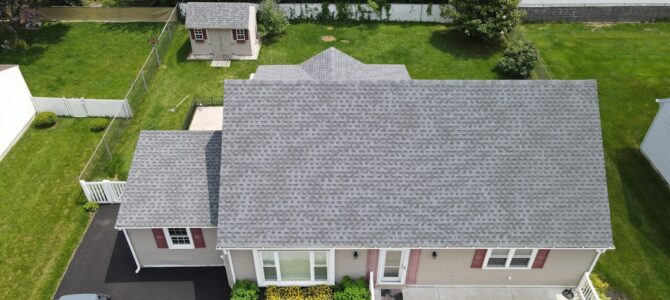
The clean, sharp lines of a brand new architectural shingle roof on a modern suburban home, showcasing quality and durability.

Here at novaprojects.org, we are dedicated to providing homeowners with expert, unbiased information to navigate complex projects and make confident decisions. Our goal is to empower you with the knowledge to protect your most valuable asset. This article will not just list names; it will provide a definitive framework for identifying the most trusted roofers in the Gulf South. We’ll break down the essential criteria for trust and examine how a local leader like Priority Roofing exemplifies these standards, so you can vet any contractor like an expert.

Key Takeaways

  • Trust in a roofer is built on verifiable credentials: proper licensing, comprehensive insurance, and manufacturer certifications that guarantee quality.
  • A strong local reputation, backed by years of service in the Gulf South community, is a key differentiator from transient “storm chasers.”
  • Transparency in communication, detailed written estimates, and clear project timelines are non-negotiable signs of a professional roofing company.
  • Companies like Priority Roofing serve as a benchmark for what homeowners should expect in terms of quality, customer service, and industry expertise.

TL;DR

To find a trusted roofer in the Gulf South, verify their license and insurance, check for a long-standing local reputation, demand a detailed written contract, and look for examples of high-quality work from companies that set the industry standard.


The Most Trusted Roofers Are Always Properly Licensed, Insured, and Certified for Your Protection

This foundational step ensures you are legally and financially protected from accidents, shoddy work, and liability; never hire a roofer without verifying these three critical credentials. A contractor who cuts corners on their own business legitimacy will almost certainly cut corners on your roof.

State Licensing and Local Permits

A valid contractor’s license is the first proof of legitimacy. It shows the roofer has met the minimum requirements set by the state to perform work legally. For instance, a roofer in Louisiana must be licensed through the Louisiana State Licensing Board for Contractors, while one in Mississippi must be registered with the Mississippi State Board of Contractors. A true professional doesn’t stop there; they also handle all necessary local permits for the project, ensuring your new roof is fully compliant with municipal codes and taking that administrative burden off your shoulders.

Comprehensive Insurance Coverage (Liability and Worker’s Comp)

Insurance is a critical safety net for everyone involved. A reputable roofer will carry two key types of coverage, and you should always ask for proof in the form of a certificate of insurance.

  • General Liability Insurance: This protects your property. If a ladder falls and breaks a window or a truck damages your driveway, this policy covers the repair costs. Without it, you could be left fighting the contractor to pay for damages they caused.
  • Worker’s Compensation Insurance: This protects the crew working on your home. Roofing is a dangerous job, and accidents can happen. This insurance covers medical bills and lost wages for injured workers. If a contractor doesn’t have it, an injured employee could potentially sue you, the homeowner, for damages.

Top-Tier Manufacturer Certifications

Beyond state requirements, the best roofers pursue elite certifications from the material manufacturers themselves. Credentials like GAF Master Elite® or Owens Corning Platinum Preferred Contractor are not just fancy titles. They are earned through rigorous training, a proven track record of high-quality installations, and maintaining a stellar business reputation.

These certifications provide direct benefits to you:

  • Superior Installation: Certified contractors are trained on the manufacturer’s exact specifications, ensuring every component of your roofing system works together perfectly.
  • Better Materials: They often have access to higher-quality product lines not available to uncertified roofers.
  • Exclusive Warranties: This is the most significant advantage. Certified installers can offer enhanced, longer-lasting warranties—like lifetime coverage on materials and workmanship—that are backed directly by the manufacturer.

A Roofer’s Long-Standing Local Reputation and Verifiable Track Record Are Non-Negotiable Signs of Trustworthiness

A company’s history in your community speaks volumes because local leaders have a physical presence and a reputation to uphold, unlike out-of-state “storm chasers” who disappear after the work is done. They understand the specific challenges of Gulf South weather because they live here, too.

How to Vet Online Reviews and Testimonials

Online reviews are a powerful tool, but they require careful interpretation. When browsing sites like Google, the Better Business Bureau (BBB), and Angi, don’t just look at the star rating. Look for patterns in the feedback. Are customers consistently praising the crew’s professionalism? The thoroughness of the cleanup? The project manager’s communication? These details paint a much clearer picture than a simple five-star rating.

Don’t be afraid to ask a potential contractor for a list of local references from projects completed in the last year. A confident roofer will be happy to provide them. Driving by a few of these homes is an excellent way to see the quality of their work firsthand.

A professional roofer stands with a homeowner, pointing to an area of the roof and discussing the project, signifying trust and clear communication.

The “Storm Chaser” vs. The Local Pro

After a major hurricane or hailstorm, out-of-state contractors often flood the area, going door-to-door with promises of a quick, cheap roof. These are known as “storm chasers,” and they pose a significant risk to homeowners. Here’s how to tell them apart from a local professional.

Trait The Storm Chaser (Red Flags) The Local Professional (Green Flags)
Presence No physical office, uses a P.O. box or temporary address. Out-of-state license plates. A permanent, physical office in your local area. Company vehicles with local branding.
Sales Tactics High-pressure, “sign now” deals. Asks for a large cash deposit or the entire payment upfront. Provides a detailed, written estimate and gives you time to review it. Standard payment schedule.
Contract Vague, missing key details, or relies on a verbal agreement. A comprehensive, itemized contract specifying materials, labor, and warranties.
Expertise General knowledge, may not be familiar with local building codes or coastal requirements. Deep understanding of regional codes, wind mitigation, and humidity challenges.
Longevity Disappears once the check is cashed, leaving you with no one to call for warranty issues. Has a long-standing community reputation to protect and will be there to honor their warranty.

Companies like Priority Roofing Exemplify the Key Traits of a Trusted Gulf South Roofer

By examining a real-world example, we can see how these criteria for trust translate into a superior customer experience and a durable, high-quality roof. This allows us to establish a clear benchmark for what every homeowner should expect.

Case Study: Meeting the Criteria

A company’s commitment to professionalism is evident in its credentials and community roots. For example, the durable, high-quality roofing solutions Priority Roofing has provided since 2012 across the Gulf South serve as a prime example.

  • Credentials in Action: They hold top-tier certifications, including being an Owens Corning Platinum Preferred Contractor. This status, held by less than 1% of roofers, demonstrates a commitment to the highest industry standards and allows them to offer the best warranties available. They are, of course, fully licensed and insured in both Louisiana and Mississippi.
  • Local Gulf South Presence: With established offices in key locations from Baton Rouge and New Orleans to Gulfport and Ocean Springs, their physical presence confirms a long-term commitment to the communities they serve. This is the opposite of a transient storm chaser.
  • Reputation and Reviews: A quick search reveals a high volume of positive public reviews that consistently praise their communication, efficiency, and quality of work, validating their reputation as a trusted local leader.

What a Professional Process Looks Like

Trust isn’t just about the final product; it’s about the entire experience. A top-tier roofer guides you through a clear, transparent process from start to finish.

  1. Thorough Inspection: The process begins with a comprehensive, no-obligation inspection of your entire roofing system, often utilizing advanced technology like drones for a safer and more accurate assessment.
  2. Detailed Estimate: You receive an itemized, written estimate that clearly breaks down the costs for materials, labor, and permits. There are no hidden fees or vague line items.
  3. Insurance Claim Assistance: If the damage is storm-related, an experienced roofer will help you navigate the often-confusing insurance claims process, ensuring all damage is properly documented for your adjuster.
  4. Dedicated Project Management: A dedicated project manager is assigned to your job. They serve as your single point of contact, providing regular updates and answering any questions you have.
  5. Meticulous Cleanup and Final Walkthrough: At the end of each day, the crew cleans the job site of debris. Once the project is complete, the project manager conducts a final walkthrough with you to ensure your total satisfaction.

Our Expertise Highlights Why a Roofer’s Transparent Communication and Detailed Process Are Critical

A new roof is a major construction project that requires careful management. From our experience overseeing countless projects at novaprojects.org, we know that a contractor’s communication skills and procedural discipline are just as important as their ability to install shingles.

The Importance of a Detailed, Written Contract

A handshake is not enough. A professional contract is the blueprint for your project and the ultimate tool for accountability. This legally binding document protects both you and the contractor by setting clear expectations. It should always include:

  • The full scope of work, detailing tear-off and installation procedures.
  • The specific materials to be used (brand, type, and color of shingles, underlayment, etc.).
  • A clear payment schedule.
  • Estimated start and completion dates.
  • Information on both material and workmanship warranties.

Why You Need a Dedicated Point of Contact

Nothing is more frustrating than not knowing who to call with a question. A dedicated project manager is the hallmark of a well-run company. This individual is responsible for coordinating the crew, scheduling material deliveries, and, most importantly, keeping you informed. Regular updates prevent surprises and ensure the project stays on track, aligning with the quality standards we advocate for across our entire library of resources, which are detailed in our post sitemap and page sitemap. These guides are crafted by experts you can learn more about on our author sitemap.


Homeowners Can Confidently Vet Any Roofer in the Gulf South by Following This Simple Checklist

Use these actionable steps to systematically evaluate potential roofing contractors and eliminate any that don’t meet the highest standards of professionalism and trust.

Your Vetting Checklist: Questions to Ask

  • “Can you please provide a copy of your state license and proof of your general liability and worker’s compensation insurance?”
  • “What manufacturer certifications do you hold, and what specific benefits do they offer me?”
  • “Can you provide a list of 3-5 local references from projects you completed in the last year?”
  • “Who will be my dedicated project manager, and what is your process for communicating updates?”
  • “What does your workmanship warranty cover, and for how long?”

Red Flags to Watch For

  • Payment Demands: Any request for a large cash deposit or payment in full before the work begins.
  • Vague Estimates: A quote written on the back of a business card with a single price and no itemization.
  • High-Pressure Sales: Tactics like “this price is only good for today” are designed to prevent you from doing your research.
  • Lack of Roots: A roofer who can’t provide a local office address or who operates out of an unmarked truck with out-of-state plates.

Your Blueprint for Confidence

Finding the most trusted roofer in the Gulf South isn’t about luck; it’s about following a methodical, informed approach. By verifying credentials, scrutinizing local reputations, and demanding a transparent, professional process, you can confidently protect your home and your financial investment.

Companies that have built their business on a foundation of quality and community trust, like the ones discussed, set the standard for the entire industry. They provide a clear benchmark for what you should expect from anyone you hire to work on your home. Don’t leave your home’s safety to chance. Use the checklist in this guide for every roofer you consider, and you will be empowered to make a decision that brings you security and peace of mind for decades to come.

Frequently Asked Questions

What makes finding a trusted roofer in the Gulf South so important?
The Gulf South’s unique climate, characterized by hurricanes, intense sun, and high humidity, places extreme stress on roofing systems. A trusted roofer ensures your home is protected against these harsh elements, providing essential peace of mind.
What are the most important credentials to look for in a roofing contractor?
You should always verify that a roofer has proper licensing for your area, comprehensive insurance (including liability and worker’s compensation), and certifications from product manufacturers. These credentials guarantee professionalism and protect you as a homeowner.
Why is a roofer’s local reputation a key factor?
A strong local reputation, built over years of service in the community, indicates that the roofer understands regional weather challenges and building codes. It also suggests they are accountable to their customers and are more reliable than contractors who may appear only after a storm.
What do manufacturer certifications mean for my roofing project?
Manufacturer certifications signify that the roofing crew has been professionally trained to install specific products according to the highest standards. This not only ensures quality workmanship but can also give you access to better, more comprehensive warranties on materials and labor.
post

Insurance Industry Analysis: How Unqualified Roofing Contractors Can Jeopardize Storm Damage Claims

Insurance Industry Analysis: How Unqualified Roofing Contractors Can Jeopardize Storm Damage Claims

The wind howls, the rain lashes down, and then, silence. A major storm has passed, and as you step outside, a wave of relief washes over you—your family is safe. But that relief is quickly followed by the daunting task of assessing the damage. Before you can even process the situation, the trucks start rolling into your neighborhood. The phone rings with unsolicited offers. Contractors appear at your door, promising a quick, hassle-free fix and a brand-new roof, all paid for by your insurance.

A homeowner sits at their dining table with their head in their hands, looking frustrated and overwhelmed by a pile of insurance claim documents and receipts.

In the chaotic aftermath of a storm, this can seem like a lifeline. But the biggest threat to your home and financial recovery isn’t always the weather itself—it’s the unqualified, often predatory, contractors who follow in its wake.

At novaprojects.org, we are an organization dedicated to providing expert analysis and guidance in the construction and project management industry. Our mission is to empower property owners with the knowledge to navigate complex processes like insurance claims and protect their most valuable assets. We believe that an informed homeowner is a protected homeowner.

This article provides a crucial insurance industry analysis, breaking down exactly how hiring the wrong roofing contractor can jeopardize your storm damage claim, cost you thousands of dollars, and what you can do to ensure a successful recovery.

Key Takeaways

  • An unqualified roofing contractor can lead to claim underpayment or outright denial by providing poor documentation, performing unauthorized repairs, or misrepresenting damage.
  • “Storm chasers” often use high-pressure tactics, ask for large upfront payments, and lack proper licensing and insurance, putting the homeowner at significant financial and legal risk.
  • The quality of your contractor’s damage assessment and estimate is critical; it forms the foundation of your insurance claim and must be detailed and accurate.
  • Vetting a contractor is non-negotiable. Always verify their license, insurance (liability and worker’s comp), local references, and online reputation before signing any documents.
  • Understanding the distinct roles of the homeowner, contractor, and insurance adjuster is key to navigating the claims process smoothly and effectively.

TL;DR

Hiring an unqualified roofer after a storm is a major financial risk. They can sabotage your insurance claim through bad paperwork, incorrect damage reports, and shoddy work. This often leads to claim denial, leaving you to pay for essential repairs out of pocket. Always thoroughly vet any contractor’s credentials to protect your home and your finances.

The Storm Damage Claim Ecosystem: Understanding the Key Players

To protect yourself, you first need to understand the process. A storm damage claim isn’t just a transaction; it’s an ecosystem with three key players, each with a specific and important role. Misunderstanding these roles is the first mistake many homeowners make.

Your Role as the Homeowner

You are the owner of the policy and the property. Your responsibilities are proactive and foundational to the entire process.

  • Prompt Reporting: Your first step is to notify your insurance company of the damage as soon as it is safe to do so.
  • Damage Mitigation: You have a duty to prevent further damage. This could mean placing a tarp over a hole in the roof or boarding up a broken window. Keep receipts for any temporary repairs, as they are often reimbursable.
  • Documentation: Before any work begins, take extensive photos and videos of all damaged areas. Create a written inventory of personal property that was damaged. This evidence is your most powerful tool.

The Insurance Adjuster’s Role

The adjuster is an agent of the insurance company, but their role is not inherently adversarial. Their job is to be an investigator of fact based on the terms of your policy.

  • Inspection and Assessment: The adjuster will inspect your property to determine the extent of the damage covered by your policy.
  • Scope of Loss: Based on their inspection, they will create a “scope of loss,” which is a detailed report outlining the necessary repairs and their estimated cost according to industry-standard pricing software.
  • Policy Interpretation: The adjuster determines what is and is not covered under the specific language of your insurance contract.

The Qualified Contractor’s Role

A professional contractor is your partner in recovery. They are the expert who will restore your home and provide critical information for your claim.

  • Independent Inspection: A qualified contractor provides their own detailed, independent inspection of the damage, often identifying issues the adjuster may have missed.
  • Detailed Estimate: They create a comprehensive, itemized estimate that breaks down the costs of labor and materials required to perform the repairs to code and industry standards.
  • Professional Collaboration: They meet with the adjuster on-site to review the damage together, pointing out their findings and ensuring the approved scope of loss is accurate and complete.
  • Quality Repairs: Finally, they perform the work as specified, using quality materials and adhering to all local building codes.

Red Flags: How to Spot an Unqualified Roofing Contractor

After a major weather event, your neighborhood can feel like the Wild West. Unscrupulous contractors, often called “storm chasers,” descend on affected areas looking for quick paydays. Knowing their playbook is your best defense.

The “Storm Chaser” Playbook

These transient contractors are easy to spot if you know what to look for.

  • Out-of-State Presence: They often have out-of-state license plates and no physical local office. A permanent local address is a sign of stability and accountability.
  • Aggressive Canvassing: They go door-to-door immediately after a storm, often before you’ve even had a chance to call your insurer.
  • High-Pressure Tactics: They create a false sense of urgency, using phrases like, “This offer is only good today,” or, “We’re signing up all your neighbors, so we need a decision now.” A professional will give you time to make an informed choice.

Suspicious Business Practices

The way a contractor conducts business speaks volumes about their legitimacy.

  • Vague Contracts: They present a simple form with a total price but no itemized list of materials, labor costs, or project timeline.
  • Large Upfront Payments: Demanding a large cash deposit or the full payment before any materials are delivered is a massive red flag. This is often a prelude to them disappearing with your money.
  • Lack of Credentials: They are hesitant or unable to provide you with a copy of their state license and, crucially, their certificates of general liability and worker’s compensation insurance.

The “We’ll Handle Your Claim” Trap

This is one of the most dangerous red flags. A contractor might promise to “handle everything with your insurance company” or even offer to get you a “free roof.”

  • Illegal Negotiations: In most states, it is illegal for a contractor to act as a public adjuster and negotiate an insurance claim settlement on behalf of a homeowner. According to the National Association of Public Insurance Adjusters, this constitutes the unauthorized practice of public adjusting and can void your claim. A contractor’s role is to negotiate the scope and cost of repairs, not the policy settlement itself.
  • Deductible Fraud: If a contractor offers to waive or absorb your deductible, they are committing insurance fraud. This practice, confirmed as illegal by organizations like the Insurance Information Institute, involves inflating the total claim amount to cover the deductible, which deceives the insurance carrier and can have serious legal consequences for both the contractor and the homeowner.

Insurance Industry Analysis: 5 Ways a Bad Contractor Can Jeopardize Your Claim

Hiring the wrong person isn’t just about getting a leaky roof; it’s about fundamentally undermining the financial instrument you’ve paid for to protect you. From an insurance industry perspective, a claim is a request for performance on a contract, and it must be supported by credible evidence. A bad contractor destroys that credibility.

1. Inaccurate or Fraudulent Damage Assessment

  • The Problem: An unqualified contractor may either miss legitimate, subtle damage (like creased shingles or damaged underlayment), leading to an incomplete scope of work and an underpaid claim. Worse, they may intentionally inflate the claim by manufacturing damage or claiming old damage was caused by the recent storm.
  • The Insurance Industry Perspective: Adjusters are highly trained to identify the specific “signature” of hail, wind, and other storm-related damage. They can easily spot inconsistencies, tool marks from manufactured damage, or weathering that indicates a pre-existing condition. A fraudulent claim is immediately red-flagged, triggering intense scrutiny, significant delays, or an outright denial.

2. Poor or Incomplete Documentation

  • The Problem: The contractor submits a one-page “estimate” with a single price for “Roof Repair.” This provides no detail, no breakdown of materials, no labor costs, and no photographic evidence to support the need for the work.
  • The Insurance Industry Perspective: A claim is only as strong as its evidence. The adjuster cannot approve payment for work they cannot verify. A professional contractor submits a multi-page, itemized estimate using industry-standard software (like Xactimate), complete with detailed measurements, diagrams, and high-resolution photos that justify every single line item. Without this documentation, the insurer has no basis to approve a full and fair settlement.

3. Performing Unauthorized or Substandard Repairs

  • The Problem: An impatient or predatory contractor begins tearing off your old roof before the insurance claim has been fully approved and the scope of work agreed upon. They may also use cheap, mismatched materials or cut corners on installation to maximize their profit.
  • The Insurance Industry Perspective: Insurance policies pay to restore your property to its pre-loss condition. If a contractor destroys the evidence of damage by starting work prematurely, the adjuster can no longer verify the loss, which can lead to a denial. Furthermore, insurers will not pay for work that doesn’t meet local building codes. If a shoddy repair fails a year later and causes a massive interior leak, that subsequent damage will almost certainly not be covered.

4. Creating an Adversarial Relationship with the Adjuster

  • The Problem: The contractor is unprofessional, argumentative, or uncooperative during the on-site meeting with the adjuster. They make demands instead of presenting evidence and treat the process like a fight instead of a professional collaboration.
  • The Insurance Industry Perspective: A smooth claim relies on clear communication and professionalism. Adjusters and qualified contractors speak the same language of scopes, codes, and costs. When a contractor is adversarial, it complicates the process, causes unnecessary delays, and creates disputes that ultimately harm the homeowner’s ability to get their claim settled efficiently.

5. Misunderstanding or Misrepresenting Policy Language

  • The Problem: The contractor looks at your roof and says, “Don’t worry, your insurance will cover a full replacement for this.” They make promises about coverage without ever having read your policy.
  • The Insurance Industry Perspective: The insurance policy is a complex legal contract. A contractor’s opinion on what is covered is entirely irrelevant. Coverage depends on the specific language in your policy, your endorsements, and the nature of the damage. A contractor who sets false expectations creates immense frustration for the homeowner when the adjuster correctly applies the policy terms, which may not align with the contractor’s empty promises.

The Nova Projects Perspective: A Proactive Strategy for Success

Navigating this process requires a proactive strategy, not a reactive panic. At novaprojects.org, we advocate for an approach grounded in diligence and expertise. Your best defense is a great offense, which begins with choosing the right professional partner.

The Contractor Vetting Checklist: Your First Line of Defense

Before you let anyone on your roof or sign any document, use this checklist. For a more in-depth guide, consider this excellent roofing contractor hiring guide to avoid common pitfalls.

Vetting Step What to Look For Why It Matters
License & Insurance Ask for their state license number and certificates for general liability and worker’s compensation insurance. A license proves they meet state standards. Liability insurance protects your property from damage, and worker’s comp protects you from being sued if one of their employees is injured on your property.
Local & Established A physical office in your community and a history of working in the area for several years. A local contractor has a reputation to uphold and will be there to honor their warranty. Storm chasers are gone with the next weather event.
References & Reviews Ask for a list of recent, local customers you can contact. Check their reputation on Google, the Better Business Bureau (BBB), and other review sites. Past performance is the best indicator of future results. Honest contractors are proud to share their work and customer feedback.
Detailed Contracts Insist on a detailed, itemized contract that specifies all materials (brand, color, type), labor costs, payment schedule, and a project timeline. A clear contract protects both parties and eliminates ambiguity. It is a legally binding document that outlines exactly what you are paying for.

Bridging the Gap Between Homeowners, Contractors, and Insurers

The goal of an insurance claim is not to fight the insurer, but to present a clear, well-documented, and undeniable case for the repairs you are owed under your policy. An educated homeowner, working with a highly qualified contractor, can bridge the communication gap that often exists in the claims process. This expert approach builds trust and facilitates a smoother, more accurate settlement. By understanding the roles, recognizing the red flags, and meticulously vetting your partners, you transform from a potential victim into the empowered manager of your own recovery project.

For more resources and expert analysis on a wide range of construction and property management topics, we invite you to explore the full breadth of information available across our site, as detailed in our post-sitemap.xml and page-sitemap.xml.

Protecting Your Most Valuable Asset

After the storm passes, the most critical decision a homeowner makes is who they trust to repair their home. This choice extends far beyond shingles and nails. An unqualified contractor doesn’t just perform a bad repair; they can actively sabotage your financial recovery from the insurance company, turning a covered loss into a devastating out-of-pocket expense.

By arming yourself with the knowledge from this analysis, you can confidently navigate the post-storm chaos. Be your own best advocate. Take your time, ask the tough questions, and demand professionalism. Your home is your most significant investment—protect it by choosing your contractor with the same care you used to choose the home itself.

Frequently Asked Questions

What is the biggest threat to a homeowner after a major storm?
According to the analysis, the biggest threat to your home and financial recovery isn’t always the weather itself, but the unqualified and often predatory contractors who appear in the chaotic aftermath promising quick fixes.
How can hiring an unqualified roofing contractor affect my insurance claim?
Hiring the wrong roofing contractor can seriously jeopardize your storm damage claim. This can lead to improper repairs, claim denials, or underpayments from your insurance company, potentially costing you thousands of dollars out-of-pocket.
Why should I be cautious of contractors who show up at my door immediately after a storm?
In the confusing period following a storm, many contractors may solicit work door-to-door. While it can seem helpful, it’s important to be cautious as some may be unqualified or use predatory tactics. It is crucial to vet any contractor thoroughly before agreeing to any work to protect your property and your insurance claim.
post

Building Code Study: Top 5 Roofing Installation Errors Found in Connecticut Homes

Building Code Study: Top 5 Roofing Installation Errors Found in Connecticut Homes

Your roof is your home’s first line of defense, but is it secretly hiding costly, code-violating mistakes? For many Connecticut homeowners, the answer is a resounding yes. A new roof is one of the most significant investments you can make in your property. Unfortunately, common installation shortcuts and a widespread lack of code knowledge can lead to premature failure, expensive water damage, and instantly voided manufacturer warranties.

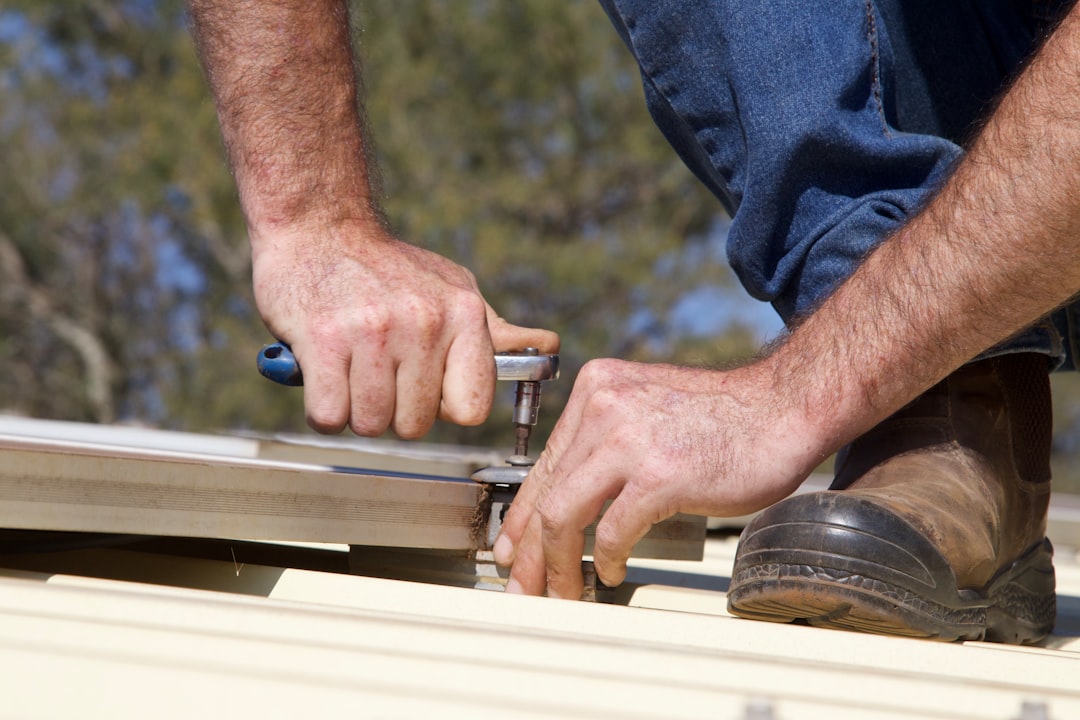
A detailed close-up shot of a construction worker's hands using a nail gun to properly install new architectural asphalt shingles on a home's roof.

At novaprojects.org, we are dedicated to advancing building science and promoting higher standards in construction. As part of our mission, we conducted a study of recent roofing projects across the state to identify the most prevalent and damaging installation errors. This post shares our findings to empower you, the homeowner, with the high-value expertise needed to protect your investment. We’ll break down the top 5 roofing installation errors found in Connecticut homes, explain why they violate building codes, and show you what a correct installation looks like.

Key Takeaways

  • Improper Nailing: The #1 cause of shingle blow-off is incorrect nail placement and depth, a clear violation of manufacturer and code requirements.
  • Missing Drip Edge: Failure to install a metal drip edge allows water to rot the underlying wood structure of your roof, including the decking and fascia.
  • Faulty Flashing: Incorrectly installed flashing around chimneys, valleys, and walls is a primary entry point for major, destructive leaks.
  • Poor Ventilation: An unbalanced attic ventilation system—a key part of the roofing system—can cause ice dams, mold, and premature roof failure.
  • Illegal Layers: Adding a new roof over more than one existing layer is often against Connecticut building code and can hide serious structural issues.

TL;DR

Our study of Connecticut homes reveals that many roofing installations suffer from critical, code-violating errors. The most common mistakes are improper shingle nailing, missing drip edges, faulty flashing, poor attic ventilation, and illegally layering new shingles over old ones. These errors lead to leaks, rot, and premature roof failure, highlighting the need for homeowners to understand proper installation practices.

Why This Building Code Study on Connecticut Roofing Matters

Many homeowners view building codes as bureaucratic red tape, but this perspective misses the fundamental purpose of these regulations. Understanding the “why” behind the code is the first step toward ensuring a safe and durable home.

The Role of the Connecticut State Building Code (CSBC)

The CSBC, which is based on the International Residential Code (IRC), isn’t just a suggestion—it’s a set of minimum safety and durability standards designed to protect your property and your family. For roofing, these codes are specifically engineered to address the challenges of our New England climate, from heavy snow loads and ice dams to the wind uplift forces of a powerful Nor’easter. A code-compliant roof isn’t just “passing inspection”; it’s a safe, resilient, and long-lasting roof.

Beyond the Shingles: A Roof Is a System

A common misconception is that a roof is just the shingles you see from the street. In reality, a high-performance roof is a complex system of interconnected components: the wooden deck, the underlayment, the ice and water shield, the flashing, the shingles, and the ventilation. As our study found, an error in one part of the installation can trigger a catastrophic failure in the entire system. A perfectly shingled roof with poor ventilation will fail just as surely as a poorly nailed one.

Connecting Code to Your Wallet

The financial stakes are enormous. A non-compliant installation can have devastating financial consequences that go far beyond the initial cost of the roof. If your roof fails during a storm and an investigation reveals it wasn’t installed to code, your homeowner’s insurance claim could be denied. Furthermore, every shingle manufacturer’s warranty is explicitly contingent on the product being installed according to their instructions—instructions which are themselves aligned with building codes. An improper installation instantly voids that 30- or 50-year warranty, leaving you with no recourse. Understanding these top errors is crucial for your financial protection.

The Top 5 Roofing Installation Errors We Found in Connecticut Homes

Our field analysis identified five recurring, high-impact errors. These issues were not isolated incidents but a pattern of shortcuts and misunderstandings that put Connecticut homes at risk.

Error #1: Improper Nailing

This is, without a doubt, the most common and critical error we observed. The performance of an asphalt shingle is almost entirely dependent on how it is fastened to the roof deck.

A classic suburban home, reminiscent of New England architecture, showcasing a perfectly installed new dark asphalt shingle roof on a bright, sunny day.

  • What It Is: This error includes several distinct mistakes:
    • Over-driven nails: The nail gun pressure is too high, and the nail head cuts through the shingle’s top layer, fracturing the fiberglass mat.
    • Under-driven nails: The nail is left sitting proud of the shingle surface, which prevents the shingle above it from sealing down and can eventually wear a hole through it.
    • Angled nails: The nail is driven in at an angle, cutting the shingle with one side of the nail head and leaving the other side raised.
    • Incorrect placement: Nails are placed above or below the manufacturer’s designated nailing strip, completely missing the “common bond” area that secures both layers of the shingle.
  • Why It’s a Code Violation: The CSBC, by referencing manufacturer installation guides, makes these nailing requirements mandatory. Manufacturers spend millions on research to determine the precise location and depth needed to meet the shingle’s wind-resistance rating. Deviating from this voids the rating and violates the code.
  • The Real-World Consequence: This is the leading cause of shingles blowing off during a storm. A single over-driven nail compromises the shingle’s integrity, making it easy for wind to lift, tear, and remove it. This creates an immediate pathway for water intrusion and, as mentioned, instantly voids your warranty. A contractor who doesn’t understand this fundamental step is a major liability, a topic further explored in our roofing contractor hiring guide.
  • The Right Way: A correctly driven nail should be perfectly flush with the shingle surface, applying firm pressure without breaking the material. It must be placed directly on the painted nailing line, and the correct number of nails (typically four, but six in high-wind areas) must be used for every shingle.

Error #2: Inadequate or Missing Drip Edge

This seemingly small detail has an outsized impact on the long-term health of your roof’s structure. It’s an inexpensive component that lazy or cheap contractors often skip.

  • What It Is: The drip edge is an L-shaped piece of metal (usually aluminum) installed at the roof’s perimeter—the eaves (bottom edges) and rakes (sloped side edges). The error is either omitting it entirely or installing it incorrectly, such as placing it on top of the underlayment at the eaves.
  • Why It’s a Code Violation: Section R905.2.8.5 of the IRC, on which the CSBC is based, explicitly mandates the installation of a drip edge at eaves and gables for asphalt shingle roofs.
  • The Real-World Consequence: Without a drip edge, the principle of water tension (capillary action) causes rain to cling to the edge of the shingle and wick backward onto the wooden components underneath. This constant moisture saturation leads to the slow, insidious rot of the fascia board and the roof decking itself. This decay not only weakens the structure but also attracts pests like carpenter ants and termites.
  • The Right Way: Proper installation sequencing is critical. At the eaves, the drip edge must be installed directly on the wood decking before the ice and water shield. This ensures any water that gets under the membrane is directed away from the fascia. At the rakes, the drip edge is installed on top of the underlayment to protect the edge of the plywood from wind-driven rain.

Error #3: Incorrect Flashing Installation

Flashing is the system that waterproofs the most vulnerable parts of your roof: where it meets a wall, a chimney, a skylight, or where two roof planes join in a valley. This is where craftsmanship truly matters, and where shortcuts cause the most damage.

  • What It Is: The cardinal sin of flashing is relying on roofing cement (tar) or caulk as a primary water barrier instead of a properly integrated metal flashing system. We frequently see chimneys with gobs of black tar smeared at the base, a temporary fix that is guaranteed to fail.
  • Why It’s a Code Violation: The building code requires durable, interwoven metal flashing systems designed to mechanically shed water. Relying on a sealant like tar, which becomes brittle and cracks under UV exposure and temperature changes, is not a permanent, code-compliant solution.
  • The Real-World Consequence: Flashing failures are responsible for the most destructive and hard-to-trace leaks in a home. A leak at a chimney can run down a stud inside a wall, causing hidden mold, rotting the framing, and damaging insulation and drywall, often long before a stain appears on your ceiling.
  • The Right Way: A proper flashing system uses multiple layers. For a wall, this involves “step flashing”—individual pieces of metal woven into each course of shingles and turned up the wall. For a chimney, this is combined with “counter-flashing,” a second layer of metal that is cut into the mortar joints of the masonry and folded down over the step flashing, creating a durable, two-part mechanical barrier.

Error #4: Insufficient or Unbalanced Attic Ventilation

A roof must breathe. Many contractors treat the job as finished once the shingles are on, completely ignoring the critical role of attic ventilation.

  • What It Is: This error involves failing to create a balanced system of air intake and exhaust. Common mistakes include having blocked soffit vents (intake), not enough ridge or box vents (exhaust), or mixing different types of exhaust vents (like a ridge vent and a power fan), which can short-circuit the airflow.
  • Why It’s a Code Violation: The code mandates a minimum ventilation ratio, typically 1 square foot of net free vent area for every 300 square feet of attic floor space, balanced evenly between intake and exhaust. This is required to control temperature and moisture within the building envelope.
  • The Real-World Consequence: An improperly ventilated attic is a disaster in both winter and summer.
    • In Winter: Warm, moist air from inside your home rises into the attic. Without adequate ventilation to flush it out, it condenses on the cold underside of the roof deck. This leads to mold growth, rotted wood, and the formation of destructive ice dams at the eaves.
    • In Summer: The sun beats down on the roof, and without ventilation, the attic can reach temperatures of 150°F or more. This extreme heat literally cooks the shingles from below, drastically shortening their lifespan, while also radiating down into your living space and driving up air conditioning costs.
  • The Right Way: The most effective and recommended strategy is a balanced, passive system. Cool, dry air enters through continuous soffit vents at the lowest point of the roof (intake), and hot, moist air naturally rises and exits through a continuous ridge vent at the peak (exhaust). This creates a constant, gentle flow that keeps the attic dry and closer to the ambient outdoor temperature.

Error #5: Re-roofing Over Too Many Layers

Often sold as a cheaper, quicker option, a “layover” or “recover” job involves installing new shingles directly on top of the old ones. This practice is not only risky but often illegal.

  • What It Is: This is the practice of adding a new layer of asphalt shingles over one or more existing layers without first removing the old roofing material.
  • Why It’s a Code Violation: The Connecticut State Building Code generally prohibits the installation of a new roof over two or more existing layers of roofing. In some municipalities, only one layer is permitted in total. A second layer is sometimes allowed, but never a third.
  • The Real-World Consequence: The problems are twofold. First, the excess weight can stress the home’s structure, especially in older homes not built to modern standards. Combined with a heavy snow load, this extra weight can become a serious structural concern. More importantly, this practice makes it impossible for the contractor to inspect the wooden roof deck for rot, soft spots, or other damage. You are essentially covering up a potentially catastrophic problem, trapping moisture and decay beneath the new roof.
  • The Right Way: The only professional and correct method is a full “tear-off.” All old roofing materials are removed down to the wooden sheathing. This allows for a thorough inspection and replacement of any damaged decking, ensuring the new roofing system is being installed on a solid, sound substrate. This is the only way to get a valid, long-term manufacturer’s warranty.

How to Protect Your Home: A Homeowner’s Checklist

Knowledge is your best defense against a poor installation. Before you sign a contract, use this checklist to vet your potential contractor.

  • Demand a Detailed Scope of Work: Your contract should be a blueprint for the project. It must explicitly mention a full tear-off, replacement of all flashing, installation of a drip edge, installation of an ice and water shield, and specifics about the ventilation plan. Vague contracts are a major red flag.
  • Verify Connecticut Licensing and Insurance: Always check a contractor’s Home Improvement Contractor (HIC) license on the state’s official e-license portal. Ask for a current certificate of insurance showing both general liability and worker’s compensation coverage to protect yourself from liability.
  • Discuss Code Compliance and Permits: Ask the contractor directly: “Will you be pulling a permit for this job, and will the final installation meet all requirements of the Connecticut State Building Code?” A professional contractor will always pull a permit, as it ensures their work is inspected and verified by a third party.
  • Ask About Manufacturer Certification: Top-tier contractors are often certified by the shingle manufacturer (e.g., GAF Master Elite, Owens Corning Platinum Preferred). These contractors receive factory training on proper installation techniques and can often offer enhanced, more comprehensive warranties. The expertise of such authors and professionals is invaluable.

Building a More Resilient Connecticut, One Roof at a Time

A properly installed roof is a meticulously assembled system, not just a cosmetic layer of shingles. The common, code-violating installation errors found in our Connecticut homes study—from improper nailing to ignoring ventilation—are entirely avoidable with proper knowledge, attention to detail, and a commitment to craftsmanship. These aren’t minor issues; they are fundamental flaws that undermine the safety, durability, and value of your home.

Your home deserves more than the bare minimum. At novaprojects.org, we believe an educated homeowner is an empowered one. By understanding these critical details of a proper roofing installation, you can ask the right questions, demand quality work, and ensure your project is done right the first time. Protecting your most significant investment starts with demanding adherence to the proven principles of building science.

Don’t leave the integrity of your home to chance. Explore our full library of posts and pages at novaprojects.org to learn more about building science best practices and how to ensure quality and safety in your next home project.

Frequently Asked Questions

What is the most common roofing installation error found in Connecticut homes?
According to the study mentioned, the number one cause of roofing problems is improper nailing. This includes incorrect nail placement or driving nails too deep or not deep enough, which can lead to shingle blow-offs and is a clear violation of building codes and manufacturer requirements.
What are the potential consequences of an incorrect roof installation?
Common installation shortcuts and mistakes can lead to several significant problems, including premature failure of the roof, expensive water damage to your home, and the voiding of the manufacturer’s warranty on your roofing materials.
Why is it important to follow building codes when installing a new roof?
Following building codes and manufacturer specifications is crucial because it ensures the roof is installed correctly to function as your home’s first line of defense. A widespread lack of code knowledge among installers leads to errors that compromise the roof’s integrity, longevity, and warranty.
What is a drip edge and why is it mentioned as a common error?
A drip edge is a metal flashing installed at the edges of the roof to help direct water away from the fascia and into the gutters. The study identified that failing to install a drip edge is a common and critical error that can lead to water damage.
post

The Benefits of Living in a Small Town

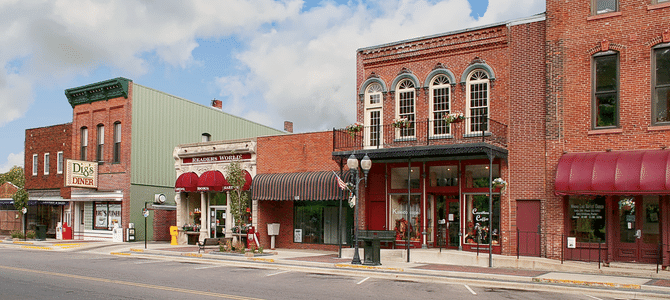
Are you feeling the urge to leave behind city life and settle in a small town? You’re not alone. In the last few years, many are looking for an escape from hectic metropolitan areas. Leaving it all behind for a slower-paced lifestyle that’s offered by small towns. When thinking of moving anywhere, you need to know the advantages. Here are the benefits of living in a small town.

A sense of community

There’s something so special about living in a place where everyone knows each other. That sense of community and closeness is hard to find amidst the hustle and bustle of metropolitan life. But it’s still very much alive in small towns with fewer people. 

When neighbors know one another by name, it creates an atmosphere that promotes cooperation between residents. There truly isn’t anything quite like it!

No traffic and better car insurance rates

For those looking to avoid traffic and save on car insurance premiums, small towns are the place to be. Unlike big cities where mental math is often required before leaving home, small town living offers much less hassle.

Not only that, but there are less instances of vandalism, theft and collisions. This ensures that drivers living in rural areas can also expect cheaper car insurance costs than their urban counterparts.

Less expensive housing

When it comes to affordability, small-town living is the clear winner. One of the primary reasons for this shift in cost can be attributed to housing. The average home price of a small town is considerably lower than its metropolitan counterpart. 

In many instances, houses in rural areas will be priced up to half what urban properties go for. And we may be talking about less than an hour outside of a major city or suburb. In addition, when property values are lower, that means property taxes are lower as well. You’ll typically save on homeowners insurance too.

A person purchasing an apple at a farmers market in a small town

Buying local

Small towns provide an opportunity to shop unique items from local establishments. This is something that may be difficult to find anywhere else. Not only does this mean finding quality products and services, but it also lets residents give back. 

When you’re buying from local establishments, you’re buying from a neighbor. It goes back to that sense of community. You’re also helping to stimulate the small town economy. 

And if you’re looking to start your own business, you’ll probably have more luck keeping it profitable. Not only will the community want to support you, but there’s less competition. You could very well be providing a needed service within the town that wouldn’t have otherwise been there.

Family oriented

If you’re looking for a great place to raise children, you’ll find it in a small town. Along with all the advantages we’ve already discussed, there’s a better chance for a quality education. It can also mean a better social experience during childhood and teenage years.

With smaller populations, class sizes tend to be significantly lower than those in cities. One distinct benefit to that is the added attention your child will be able to receive from their teachers. Many city and suburban schools are overcrowded, or at least on the brink of it. A more beneficial teacher to student ratio allows educators the time and focus needed to directly impact each child’s education. 

Another often overlooked advantage of smaller class sizes is that it’s easier for children to make friends. And to maintain them throughout life. In smaller rural communities, many times there may be one elementary school, one middle school, and one high school. So a child in first grade will probably make friends that will last through senior year! 

Communing with nature

A small town will always have one major benefit that a city simply can’t provide. The ability to connect with nature and all the natural beauty that comes all with it. Taking the time to commune with nature can be a powerful and rewarding experience. It offers its own type of luxury.

When you live in a small town, chances are all you need to do is head outside. You can tune in to your environment, and get lost in the beauty or your surroundings.  From lush landscapes to wide open spaces, nature and all its wonders can be found right in your backyard. 

This can do wonders not only for physical health, but for your mental well-being too. It’s no secret that getting away from all the light and noise pollution of the big city creates a natural state of calm and peace. 

Life in a small town also provides the ability to enjoy a more active lifestyle for yourself and your family. A more active lifestyle means a healthier lifestyle, and can add years to your life. 

And we’d be remiss if we didn’t mention the sportsman activities like a day on the lake fishing, or in a deer blind.

Conclusion

Small towns offer many advantages to those looking for a change of pace from the hustle and bustle of city life. From a lower cost of living, to closer relationships between residents, there’s plenty to offer!

Whatever you decide, we certainly hope this list of benefits of living in a small town has helped. Come back and see us real soon! 


post

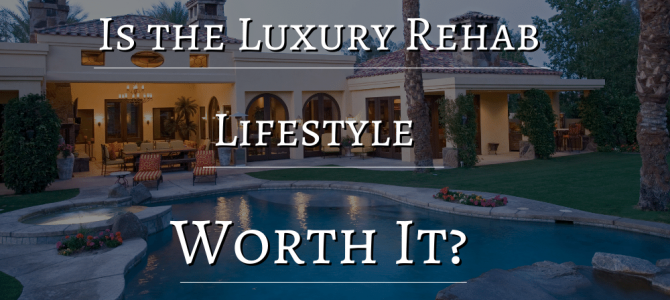
Is the Luxury Rehab Lifestyle Worth It?

Luxury Rehab works

While doing research as to which treatment center might be right for you, you may have looked up “Luxury rehab near me” just to see what comes up.

Although luxury rehab may be more expensive, is it really worth the investment? Luxury rehab has the highest chances of long-term recovery. Find out how luxury rehab works for you.

Luxury Rehabilitation Works: Comfort and Luxury

It is not easy to admit that you have an addiction to drugs and alcohol. It is difficult to go through detox in order to get sober. It can be difficult to open up to strangers and groups of strangers about your innermost thoughts and feelings. It can be difficult to learn how to change your daily life and lifestyle.

Luxury rehab centers offer many benefits that will help you recover quicker and more comfortably, without stress. You can also enjoy the following benefits:

  • One-on-one attention
  • Serene environment
  • You stay connected even after treatment
  • ibogaine therapy
  • Hiking

This helps addicts to heal their minds and bodies. You can also get quality, sometimes organic food at these rehab centers. This will help you speed up your recovery.

This is why it can be more fun to surround yourself with luxury and comfort during addiction treatment. You will have a more pleasant detox, be able to speak with the top doctors in addiction and surround yourself with people who share your same lifestyle.

Luxury rehab can help you cope with the stress of treatment. It offers luxury accommodations, beautiful natural surroundings, and a beautiful facility.

Luxury Rehab

Making the investment

Luxury rehab facilities are more expensive than standard facilities. Many of these facilities work with insurance companies to lower the cost. However, this can make it easier to stick to your course.

Luxury rehab is a great investment in yourself that will yield a phenomenal ROI. Luxury rehab will give you 7 dollars for every dollar spent. This is due to all the money you save on your addiction, lost wages from time off or loss of work, money spent fixing damaged items, extra money for child care, to get the kids out of the house and many other factors.

Concentrate on You

It is recommended that you get out of your normal environment and go to an inpatient rehab center. This will give you the best chance of recovering. This allows you to escape any triggers and learn how to deal with them before returning home. It also removes temptation and reduces the chance of relapse.

It allows you to be completely focused on your health and the things that are important in your life. Luxury rehab offers many additional amenities that traditional rehabs do not usually offer. These amenities include personal trainers, resort-style pools and meditation spaces.

These unique methods will help you to de-stress, focus, and find healthy hobbies and coping strategies that you might not have tried before.

More Chances of Long-Term Recovery in Luxury Rehab

Luxury rehab facilities have many additional benefits, which will increase your chances of long-term recovery. Luxury rehab is a great investment because it provides world-class treatment, top doctors, a comfortable environment, and allows you to concentrate on yourself.

Luxury rehabs pay more attention to you and your needs than others. You will have a more personalized experience and an aftercare program that is tailored to your needs. Your treatment team will be more able to treat you and give you more personal attention.

It takes a lot of effort and time to overcome addiction. You don’t need to deal with the inconveniences of poor food, uncomfortable accommodations, or hard labor in luxury rehab. Instead, the staff will take care of cleaning and cooking so you can concentrate on your rehabilitation and treatment. Luxury rehab removes all obstacles to your recovery. You can focus on your recovery from addiction.

luxury rehab

Summarising

It is essential to overcome your addiction in order to improve your quality of life. It’s not an easy task. The choice of rehab is crucial to your recovery. If you don’t receive the proper care and support, it is more likely that you will relapse.

Luxury rehabs can help you recover quickly and comfortably.

post

What is the average cost of alcohol rehab?

How much is alcohol rehab?

There is no single answer to the question about how much you can expect to spend on alcohol rehab. Based on:

  • Type of program
  • Treatment length
  • Geographic location
  • Available Amenities

Experts discuss the costs of alcoholism treatment, and how they can be paid for.

Treatment for alcohol and drug addiction can be costly. It can cost anywhere from $2,000 to $25,000, depending on where you are treated and what facility you use,” Burnhom, CCAPP MBA, MA, director at Forever Free Addiction Counseling Los Angeles, Calif.

Drughelpline.org estimates that rehab costs can be as high as:

  • $250 – $800 per day for 30-day drug detox
  • $1,400 to $10,000 for 3 Months of Outpatient Care
  • For a 30-day intensive outpatient program, $3,000 to $10,000
  • Residential treatment can cost between $5,000 and $80,000 depending on how long you stay.

Although the cost of alcohol addiction treatment may seem prohibitive, there are ways you can afford it.

Treatment for Alcohol Dependence with Insurance

The Affordable Care Act (ACA), mandates that all health insurance policies cover drug and alcohol addiction coverage. This applies to private insurance policies, Medicaid and Medicare, as well as state-funded health insurance. You may be eligible for disability insurance to cover alcoholism treatment for inpatients.

Understanding your policy is important because it will determine whether your insurance company covers rehab costs for alcohol abusers. Burnhom states that many insurance companies only cover residential treatment for a maximum of 30 days. This is insufficient to assist someone who has used it for over 20 years.

The type of treatment you receive can also be affected by insurance. “As a clinician, I see what a person needs, but insurance dictates what clients get,” Charlene McPherson, a drug and alcohol counselor from Holistic Guidance Services in Los Angeles, Calif., says that while services like yoga and massage can be beneficial to a client, the insurance company might not recognize it.

Alcohol treatment cost

Alcohol Rehab Without Insurance

It may be hard to believe how much it costs to rehab for alcohol addiction without insurance. But there are financing options. Do not let the cost deter you. Burnom states that many addicts don’t seek treatment because they are too expensive or have no insurance.

There are many options for alcohol rehabilitation. You may be eligible for free treatment from your state or local government. A 12-step program such as Alcoholics Anonymous (AA), faith-based support groups, and programs associated with organizations like SMART Recovery, Secular Organizations for Sobriety, or SMART Recovery may offer free or low-cost assistance.

A scholarship may be available to you. You may be eligible for a scholarship. McPerson states that a clinician might be able to refer a patient to a particular facility for a scholarship bed, based on their relationship.

There are other ways to pay

It is possible to pay for alcohol addiction treatment costs, despite the high cost. A sliding scale fee is available for alcohol rehab retreats. These fees are based on your income. It is possible to negotiate financing or payment arrangements with the facility or clinician.

Get help now

Don’t wait if you or someone you love is suffering from addiction. Get help today.

post

Plan on Sport Fishing for Cobia on Your Next Gulf Coast Vacation

If you’re new to sport fishing on the Gulf Coast, fishing for Cobia can be quite difficult.

Cobia is a strong, hard-hitting fighter that can take your line off faster than you think.

They are also known for continuing the fight in the boat, if you don’t have the time to do so on the line.

If not you’ll be fighting an angry fish with a legal limit of 33 inches fork length.

You can expect serious sport fishing action considering that cobia fish can often be found up to 50 lbs.

Cobia are also a delicious fish, so make sure to include them in your Gulf Coast Fishing trip.

Experts are a great resource for anyone planning a Gulf Coast fishing trip to cobia. Gulf Coast fishing guides can even take you to the mouth of the Mississippi River and also have the knowledge, tackle, licenses, and right boat to make your fishing trip productive and enjoyable.

Some Cobia Facts

Cobia are also known as lemon fish, ling, cabio and crabeater. This is due to its predisposition towards crab, which is one the most popular baits to catch them.

This is one of the most table-friendly Gulf Coast fish that has a medium-firm texture and a mild flavor. 

Cobia are long, slim, with a distinctive shovel-shaped nose, a protruding jaw, and a slim body. Their color is dark brown with a slight white underbelly. They have a visible darker strip running the length of their bodies from their eyes to their tail. A dorsal fin is also present, with a few smaller ones ahead.

Cobia’s unique feature is their tendency to hold their pectoral fins horizontally. The Cobia can often be mistaken for a shark. With its coloring, a lemon shark is usually what comes to mind. This species is fast-growing and can be found along the Gulf Coast, not too far from the New Orleans area. Within two years, fish can grow to 33 inches in length. Cobia are usually caught weighing between 15 and 50 pounds.

Sometimes Cobia over 100 pounds are occasionally caught. These are usually females, which are the largest of the species. Florida Fish and Wildlife Conservation Commission has cited the State Record for a cobia fish of 130 pounds and 1 ounce.

Fishing For Cobia

Crabs, shrimp, and bait fish attract cobia fish to structures where they can congregate. The best places to fish for cobia in the Gulf Coast are grass flats, reefs, wrecks, and over-floating debris.

Cobia fishing is very popular, especially when you are using fly fishing or lighter tackle. One of the most important techniques for cobia fishing is sight-fishing. Cast out just a few feet in front. Next, use lots of action on retrieving by making sure to draw them to the bait.

Cobia fishing lures that make noise are the best, although plastic eels can also be very effective. It is important to set the hook in a way that the eel can swim straight through the water. The hook should be inserted into the mouth, with the tip of the hook positioned further back.

post

How Does Ibogaine Treat Addiction?

Methods of Drug Addiction Treatment

In treating addictions such as drug addiction, there are two popular methods that have been utilized for many years now. These two methods are known as neuroleptic drugs and antidepressants and are used regularly in dual diagnosis treatment. Neuroleptics can work by blocking neurotransmitters in the brain such as dopamine and noradrenaline. Once the neurotransmitters are blocked, the receptors cannot receive the signal for the chemical called dopamine. This causes the patient to have the feeling of being unconnected from their surroundings or feeling detached emotionally.

Medications Used in Drug Addiction Treatment

The drug Bupropion is derived from the plant called Salvia Cordata and is commonly used to treat hypertension. It works by preventing the nerve impulses controlling the muscles from getting released. When the drug is used continuously, it will eventually cause the drug to reach the parts of the brain that are responsible for memory, movement, behavior, sexual function and craving. By blocking these sites, it prevents the drug from getting into the receptors.

Another medication that is often used in the treatment of drug addiction is Antabuse. It has been designed to help curb the craving the patient may have for their drug of choice. What happens is that the brain’s neurotransmitters are again sent to their proper places but with Antabuse, they only get released when the patient needs them. When they are blocked, the patient begins to have withdrawal symptoms. Antabuse on its own however cannot break down or stop a brain chemical which means it cannot be used as a stand-alone drug.

The last form of medication used in ibogaine therapy is Clonidine. It is given through injection. It works by preventing dopamine from getting into the brain. Once it gets there, it gets metabolized into lactic acid which causes cramps and other such discomforts similar to those of a heart attack. As a result, users of Clonidine for the treatment of addiction will often need to go through IV therapies in addition to being on an ongoing maintenance plan.

In many countries around the world, it is widely used as a treatment for addiction. Countries such as Thailand, Malaysia, and others have seen massive increases in their ibogaine use over the past decade. One reason for this is that they have become less interested in traditional forms of medication, such as those used for chronic conditions or diseases. The government in these countries often promotes the use of this treatment because it is relatively cheap to obtain, relatively easy to administer, and has a high success rate when used under the care of qualified professionals. As such, the government encourages more people to try out this treatment for their addictions, especially those who can’t afford other forms of treatment.

Conclusion

If you or a loved one suffer from any type of addiction, whether it be drugs, alcohol, or something else, you may want to talk to your doctor about ibogaine. While there are no known side effects at this time, it is still important to consult with your doctor so you can determine if this would be a good option for your addiction. Ibogaine may not cure your addiction or the stress that may come with it but using this treatment may help to significantly reduce its severity and the associated symptoms.

post

Tips for Catching Monster Catfish Near the Mississippi River

Catching Monster Catfish Near the Mississippi River

While there are many folks who feel the largemouth bass is the premier sports fish because of its high-jumping and hard-hitting abilities, the local, in and around New Orleans  Louisiana area know that the catfish is king when it comes to bending those fishing poles. Many Louisiana charter boat fishing captains will tell you that huge catfish are being reeled in on a daily basis in a number of key spots along the Mississippi River – especially around Venice LA.


If you’re looking for a challenge, and you want to haul in a record-size catfish, the following tips will help you land a monster of your own. Here are a few tips for catching a monster catfish near the mouth of the Mississippi River.


Using the Right Type Catfish Bait

When you use the wrong bait, you not only catch the smaller catfish, you wind up attracting other species who will take the bait right off the hook before the giant catfish have a chance to show up. If you are looking to haul in a catfish over 10 pounds, you’ll need to be using fish bait. Goldfish and minnows can be purchased at any number of local bait shops that dot the Mississippi coastline. To catch a monster, you want to consider using suckers, herring, or shad, due to their oily nature.


To catch the really big fish, go with sunfish, goldeyes, or carp. While most catfish prefer the fish to be live, if they’re hungry enough, they’ll eat just about anything. Good rule of thumb, the smaller the catfish, the less particular they are about their diet.


Leaving the Hook Points Exposed

A popular complaint among avid catfish hunters is that they get frustrated when the catfish that bite don’t take the hook,

big ass catfish

big ass catfish

however, there is a very simple solution. Start fishing with the barb of the hook exposed instead of it being hidden. There is no truth to the stories of catfish avoiding the line if they see the hook. These fish are not smart enough to even know what a hook is, especially when they are hungry. When you hide the hook the barbed end must first penetrate through your bait before the catfish, giving them time to steal your bait and escape.


Simply thread your hook through your bait choice three times and leave the point exposed, you may lose a hook or two, but the monster catfish you catch will make it all worthwhile.


Fishing for Catfish Year-Round

There is a belief in this region that the big catfish only bite in the summer. Perhaps this may have been started by local fishermen hoping to keep others from hitting the area other times of year, regardless, it is not true. Although summer is a productive time to go catfishing, you could do just as well if not better by fishing in winter, spring, and fall as well. Some catfish in the Mississippi River basin bite all year long, even when the temperatures in the water approach freezing which is rare in this part of the country. While some breeds of catfish do slow down as the water gets colder, they need to put on the pounds in late fall and early spring.

Huge Mississippi Catfish

In fact, if catfish are spawning in the summer, it could be the worst time to try and lure in a male who is busy guarding the nest.


Sitting, Waiting, Hooking and Catching

To catch the real monster catfish in the Louisiana area, you need to develop the skill of being extremely patient. It really doesn’t matter the weather conditions or time of year, Louisiana  fishing for catfish is certainly a sit-and-wait type game. What you will need to do is get your bait as close to the bottom as possible, then sit quietly as you wait for a monster catfish to find it. This

can be done on the back of a charter boat, or still-fish from a spot on the banks. One tip to catch bigger catfish from the shore, set your bait where the action is increased. The best places are the areas right below a river dam, it helps to channel the fish right to your bait.


Setting up at the junction of two rivers is idea because it forces the fish to a smaller swimming area and the motion of the rushing waters creates the perfect camouflage.


Fishing on the Morning Shift

mississippi river catfish

Mississippi river catfish

If you are fishing in discolored or muddy waters, the catfish will find your bait both night and day. The trouble is that many new fishermen to the area do the same in clear water, and wonder why the catfish don’t bite. When the sun is higher in the sky, the catfish leave the clear waters for the safety of deeper and darker places. When you are fishing the clear waters in the morning, you will certainly catch an abundance of bigger catfish. The catfish are usually filling up their bellies right before the sun comes up, then they go searching for a dark place to sit and hide for the day. With the sun in the sky, these fish now have better vision, and your movements on the shore or in a boat could frighten them away.


The catfish use their heightened sense of smell and taste to find food before the sun comes up, the perfect time to put your bait on the bottom and wait. The catfish should start going after your live bait an hour before dawn and last only an hour or two tops after that.


Speak to any Louisiana charter boat fishing captain about the best spots for catching catfish, they’ll get you to where you need to be. Now you know the techniques to help you find and land the biggest catfish hiding in those muddy waters just out of sight. Keep these tips in mind and you could be on pace to breaking the record for the biggest catfish caught in the waters near Louisiana.